

Fighting Fatigue in Shift Workers
Fatigue is one of the most serious and underestimated risks in shift-based and industrial work environments. Long hours, irregular schedules, physically demanding tasks, and limited access to nutritious food all contribute to reduced energy levels, impaired concentration, and slower reaction times. Over time, unmanaged fatigue affects not only individual health but also workplace safety, productivity, and absenteeism. Understanding how fatigue develops – and how nutrition plays a role in preventing it – is essential for organisations and individuals working in high-risk, non-traditional work patterns, particularly when addressing the challenge of Fighting Fatigue in Shift Workers.
Understanding Fatigue in Shift Work
Fatigue is more than feeling tired. In shift workers, it is often the result of disrupted sleep cycles, prolonged physical exertion, dehydration, and unstable blood sugar levels caused by poor carbohydrate choices. These factors compound over time, leading to chronic fatigue that directly affects cognitive and physical performance. Research consistently shows that many shift workers arrive at work with low blood glucose levels, which significantly increases the risk of dizziness, confusion, poor coordination, and impaired decision-making. As a result, fatigue is not only a health concern, but a critical safety issue in environments where alertness and precision are essential.
Why Fatigue Matters in the Workplace
Unmanaged fatigue has wide-ranging consequences for both workers and employers, especially in industries such as mining, manufacturing, logistics, and healthcare. In these environments, even small declines in alertness or reaction time can have serious consequences. Fighting Fatigue in Shift Workers must therefore be treated as a core operational priority rather than a wellness add-on, as it directly influences safety outcomes, productivity, and workforce stability.
- Key impacts of unmanaged fatigue include:
- Reduced alertness and slower reaction times
- Increased risk of workplace accidents and injuries
- Lower productivity and work output
- Poor morale and reduced job satisfaction
- Higher rates of absenteeism and long-term illness
The Role of Nutrition in Fatigue Management
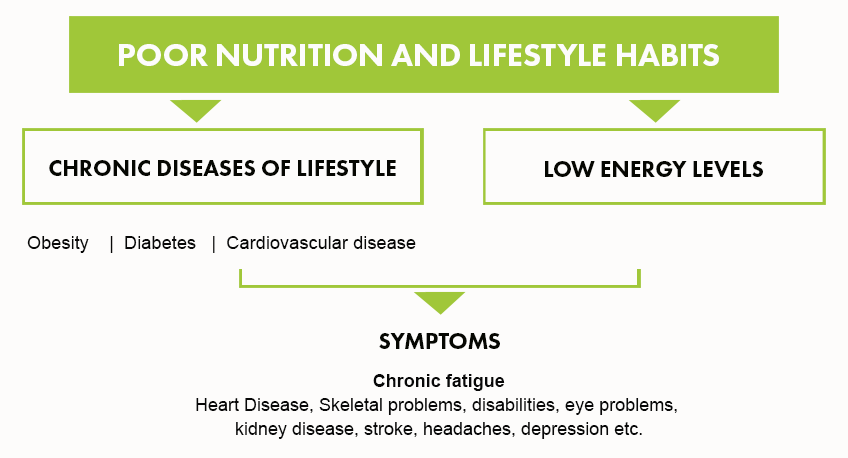
Nutrition is one of the most controllable and effective tools for managing fatigue in shift workers. When nutritional needs are not met, the body struggles to maintain stable energy levels, adequate hydration, and proper muscle function. Poor dietary patterns, particularly those high in refined sugars and low in fibre and protein, contribute to energy crashes that worsen fatigue and impair performance throughout long or irregular shifts.
Blood Sugar Stability
Maintaining steady blood glucose levels is critical for sustained energy and mental clarity. High-glycaemic foods cause rapid spikes in blood sugar followed by sharp energy crashes, while low-GI carbohydrates provide a slower, more consistent release of energy. Stable blood sugar supports concentration, mood regulation, and physical endurance, helping workers remain alert and functional across extended work periods.
Hydration and Electrolyte Balance
Even mild dehydration can significantly impair performance. Fluid loss through sweat, especially in hot or physically demanding environments, reduces cognitive function and increases perceived effort. This makes proactive hydration strategies essential for fatigue prevention in shift-based workplaces. Replacing fluids alongside essential electrolytes supports muscle contraction, nerve signalling, and overall stamina, making hydration a foundational element of fatigue management.
Protein, Fibre, and Sustained Energy
Adequate protein intake supports muscle maintenance and recovery, while dietary fibre slows digestion and promotes more stable energy release. Diets lacking in protein and fibre often lead to early fatigue, reduced resilience, and increased reliance on quick-fix energy sources. Balanced nutrient intake helps support endurance, satiety, and recovery during demanding shifts.
Practical Nutrition Considerations for Shift Workers
Fatigue management strategies must account for the realities of shift work, including limited meal breaks, unpredictable schedules, and restricted food availability. When approached correctly, Fighting Fatigue in Shift Workers relies on practical, sustainable nutrition strategies that support consistent energy levels without contributing to the crashes commonly associated with convenience foods.
- Eating smaller, balanced meals or snacks at regular intervals
- Prioritising low-GI carbohydrate sources for sustained energy
- Ensuring regular fluid intake throughout the shift
- Including protein and fibre to support satiety and endurance
- Avoiding reliance on sugary snacks and stimulant-heavy drinks
Who This Applies To
Addressing fatigue through nutrition benefits both individual well-being and organisational performance. This information is particularly relevant for shift workers in mining, manufacturing, logistics, and healthcare, as well as employers responsible for occupational health and safety, wellness and fatigue-management professionals, and organisations aiming to reduce accidents, absenteeism, and long-term health risks within their workforce.
Reducing Fatigue in Shift Workers Through Nutrition
Fatigue in shift workers is a complex issue driven by disrupted sleep patterns, demanding work conditions, and inadequate nutrition. While it cannot be eliminated entirely, it can be significantly reduced through informed and practical nutritional strategies. By supporting stable energy levels, proper hydration, and effective recovery, nutrition plays a central role in improving safety, performance, and long-term health in shift-based workplaces. Effective fatigue management begins with understanding the problem – and recognising that nutrition is not optional, but essential when it comes to Fighting Fatigue in Shift Workers.